
Safe Water, Sanitation & Hygiene (WaSH) for Rural Schools
Clean water and safe sanitation are not extras. They are the difference between a child staying in school or staying home.
Clean water, safe sanitation, and dignity for every learner.
For a child in rural Kazo District, water and sanitation are not separate from education. When a school has no reliable source of safe drinking water, poorly maintained pit latrines, or no handwashing facilities, children can become ill, lose learning time, and struggle to attend school with dignity. Girls are especially affected when sanitation facilities do not provide privacy, safety, water, or support for menstrual health.
Childcare Support & Education Organisation's Safe Water & Sanitation for Rural Schools Program works with rural schools and surrounding communities to improve access to safe drinking water, hygienic sanitation, handwashing, and practical hygiene education.
Our aim is simple: children should not have to miss school because they are thirsty, sick, unsafe, or unable to use a dignified toilet.
UNICEF's School WaSH framework emphasizes reliable drinking water, gender-separated sanitation, and handwashing facilities with soap as core features of a safe learning environment, and this program is built around that same standard.
The Challenge
Uganda continues to face substantial School WaSH gaps. The country's National Adaptation Plan reports that only 54.77% of public schools have basic drinking-water services, underlining the need for practical school and community solutions.
- Children walking long distances to fetch water before, during, or after school
- Dependence on swamps, unprotected sources, or unreliable water points
- Limited resources for the routine maintenance and repair of water systems
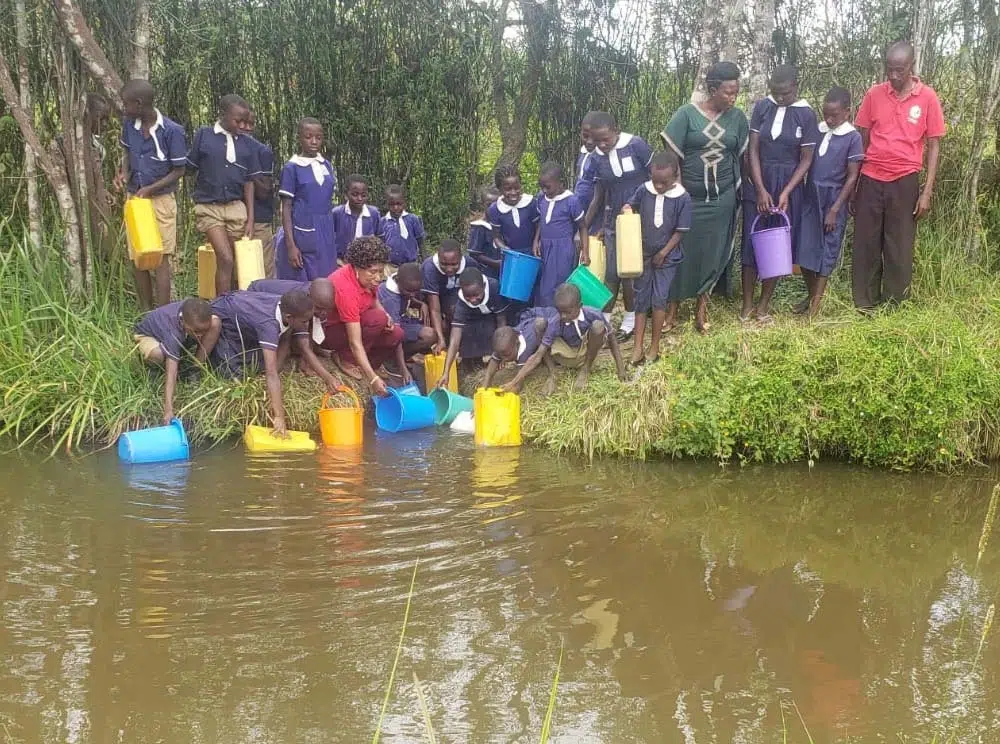
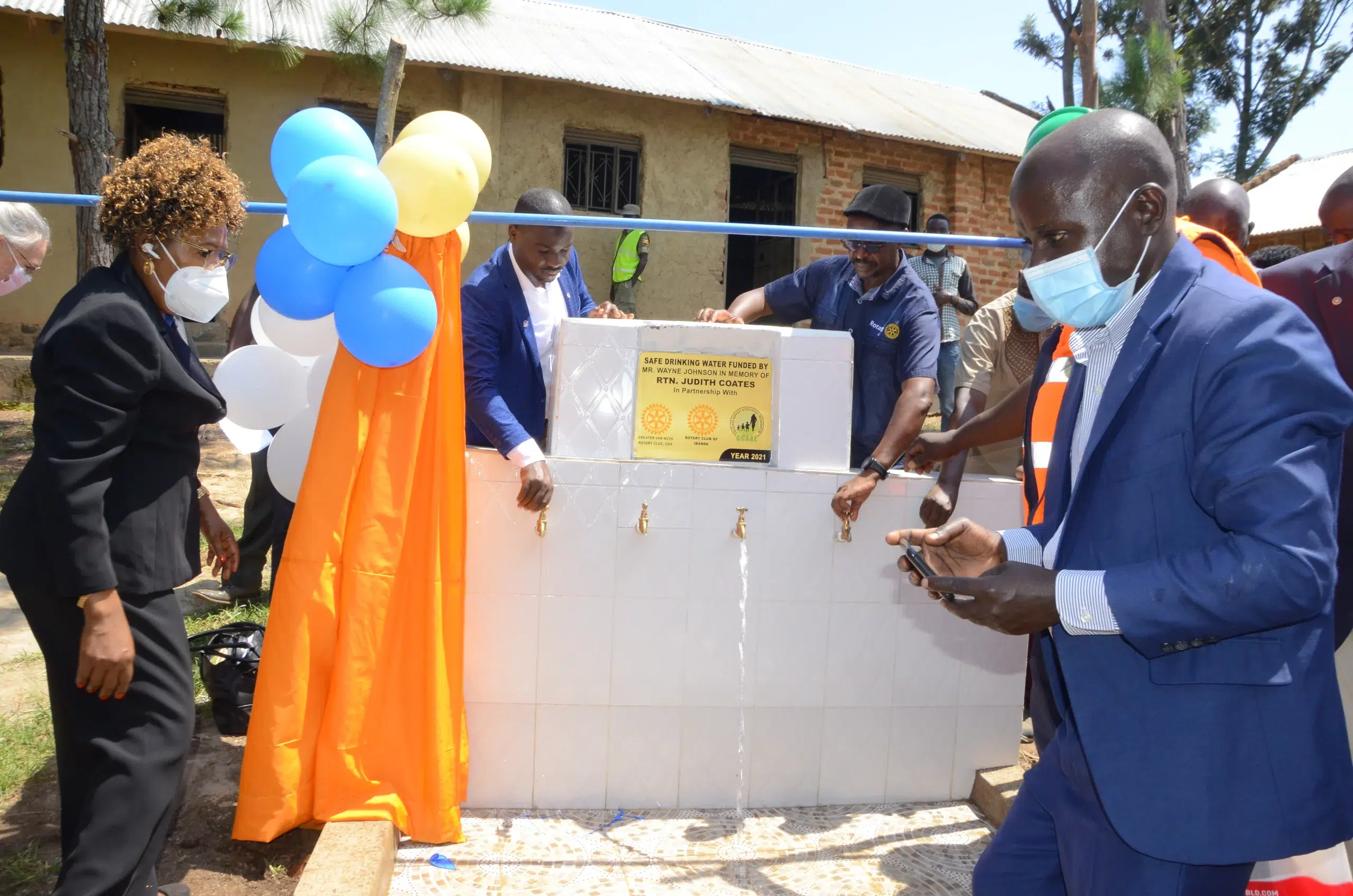
Before & After, Destiny Primary School
What Support Includes
We help schools and communities move closer to reliable, safe water for drinking and daily school use. Depending on the school's location, hydrogeological assessment, and available funding, support may include:
- Borehole drilling or rehabilitation
- Protected wells or improvement of existing water points
- Rainwater harvesting systems and water-storage tanks
- Filtration, treatment, or safe storage systems
- Water points linked to schools and surrounding communities
- Handwashing water access near latrines and eating areas
- Training on safe water collection, handling, treatment, and storage
A basic drinking-water service means that water from an improved source is available at the school. Childcare seeks solutions that are technically appropriate, accessible to children, and supported by a maintenance plan. Source: UNICEF JMP, WASH in Schools
The Challenge
Uganda's National Adaptation Plan reports that only 38.55% of public schools have basic hygiene services, underlining the need for practical school and community solutions.
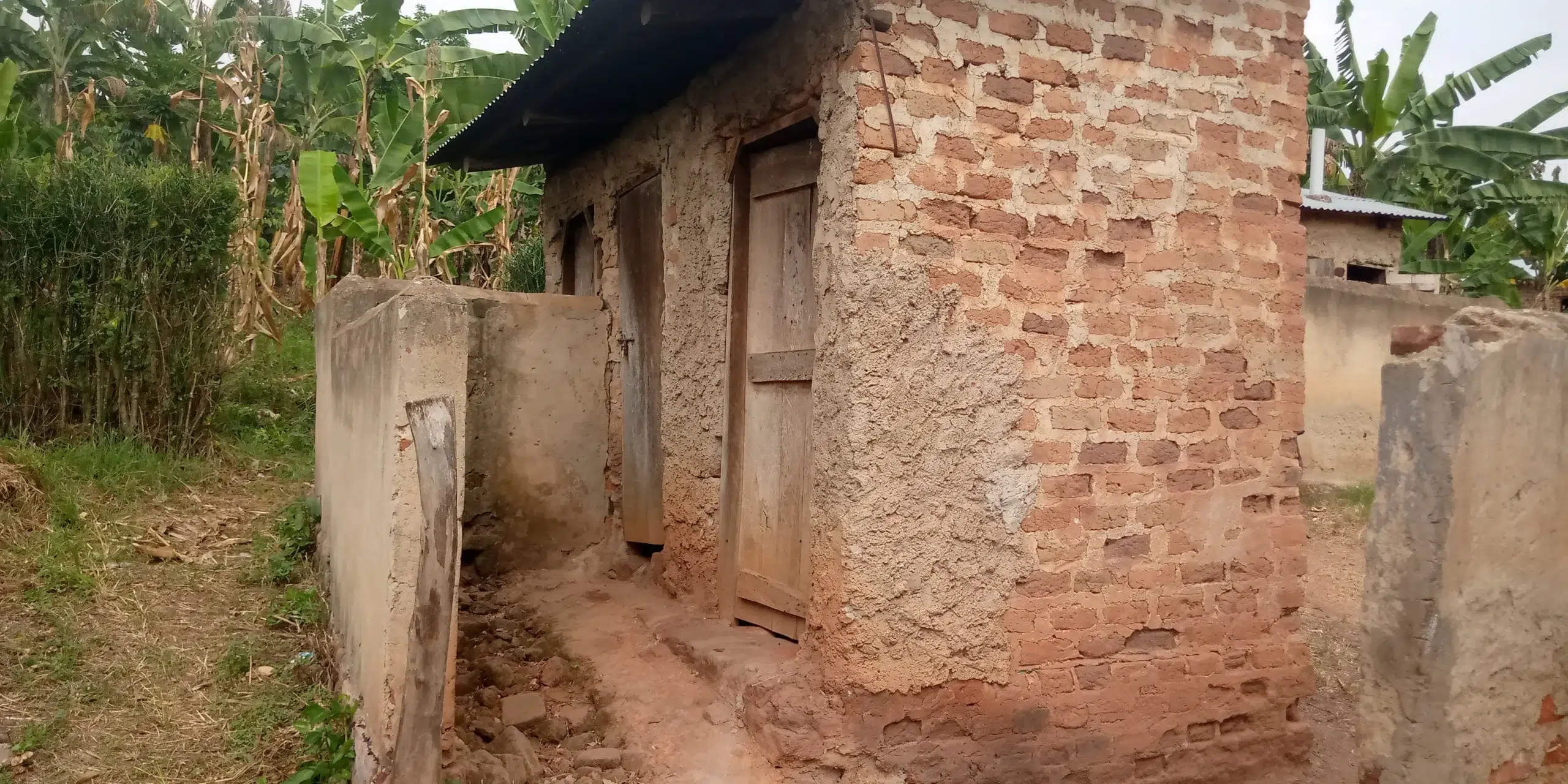
- Unsafe, poorly constructed, overcrowded, or unhygienic pit latrines
- Lack of water for handwashing, cleaning, and menstrual hygiene management
- Limited privacy and dignity for adolescent girls
- Weak hygiene habits where water, soap, and practical facilities are unavailable
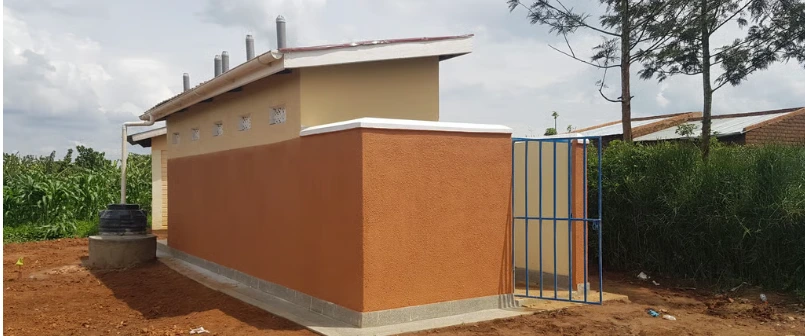
Before & After, Rwampara Primary School
Safe Sanitation & Handwashing
We support schools to improve toilets and sanitation systems so children can learn in a healthy and dignified environment. Support may include:
- Construction or rehabilitation of safe, ventilated, child-friendly latrines
- Separate, private facilities for girls and boys
- Accessibility features where feasible for children with disabilities
- Handwashing stations with water and soap or ash
- Cleaning equipment and maintenance arrangements
- Waste-disposal and environmental hygiene measures
- School kitchen and food-preparation hygiene improvements
Uganda's School WaSH guidance includes gender-specific sanitation ratios, including a stated interim standard of 40 girls per toilet and 50 boys per toilet. Childcare uses these principles to guide discussions with schools and funders while tailoring projects to local conditions.
Hygiene, Health & Menstrual Dignity
A facility alone cannot create lasting change. Children, teachers, and school leaders need practical knowledge, routines, and supplies to keep facilities clean and use them safely. We support:
- School hygiene and health clubs
- Handwashing education at critical times
- Safe water handling and waterborne-disease prevention
- Toilet use, cleaning, and maintenance training
- Menstrual health education and reusable sanitary-pad support for girls
- Community sessions for caregivers and parents
- Training for school health patrons, teachers, and student leaders
Research on WaSH in schools finds that combining water treatment with hygiene and sanitation interventions can reduce illness and improve hygiene knowledge and practices. It is also associated with gains in enrollment and gender parity. Source: PMC research review
Impact of Project Grants
Our Rotary-Supported Water Project
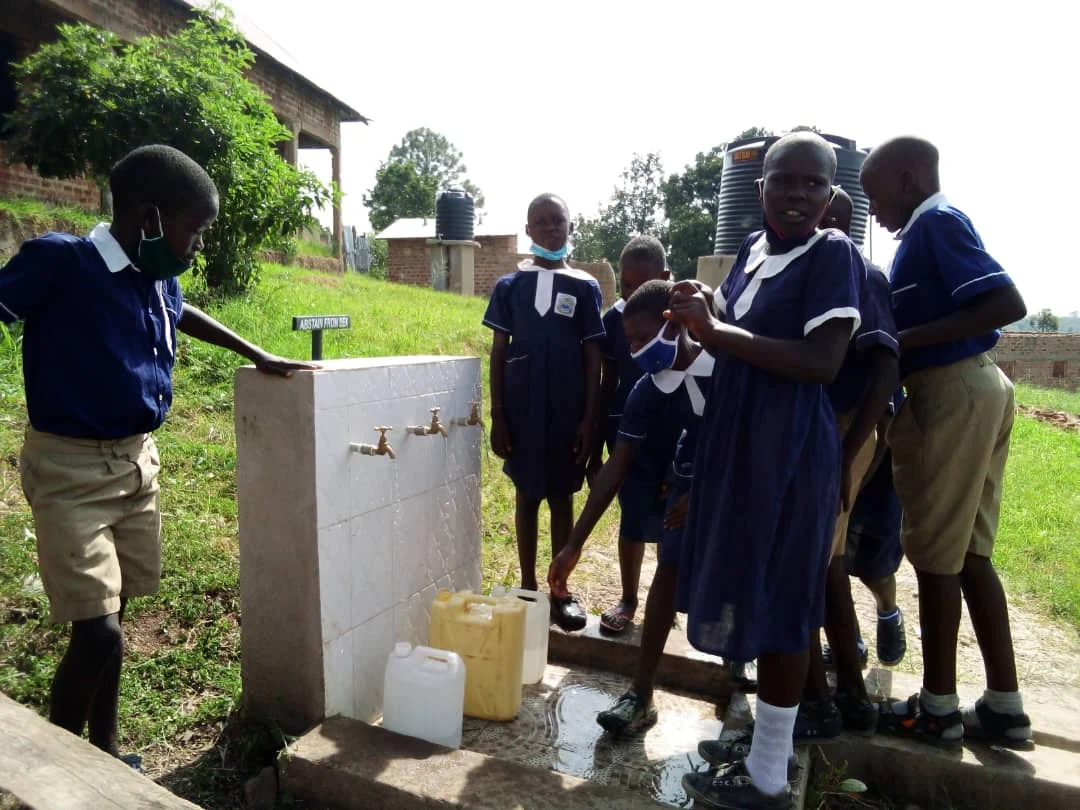
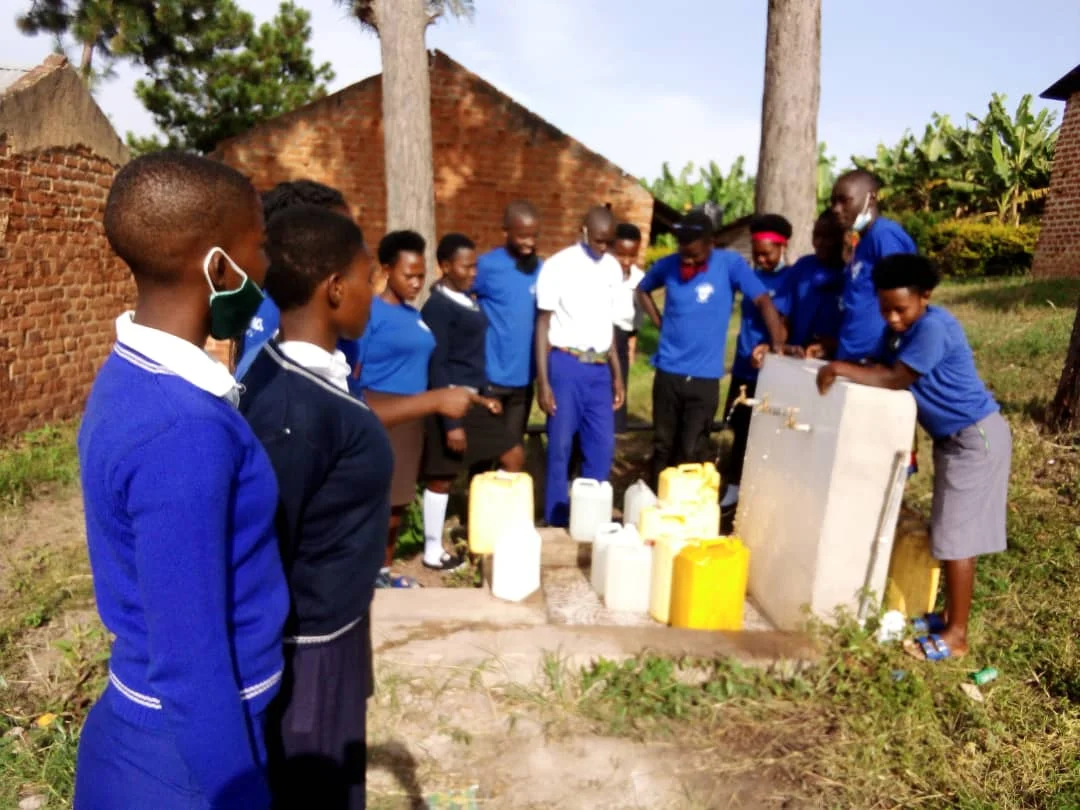
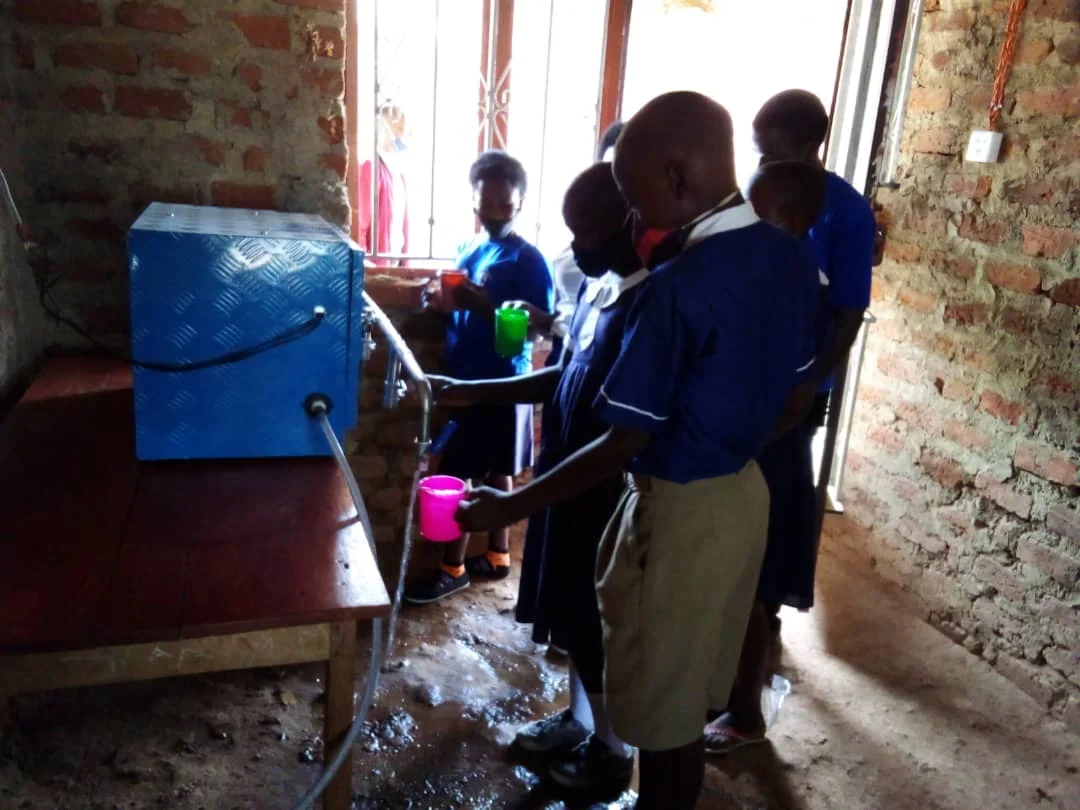
Before & After, Destiny Primary School
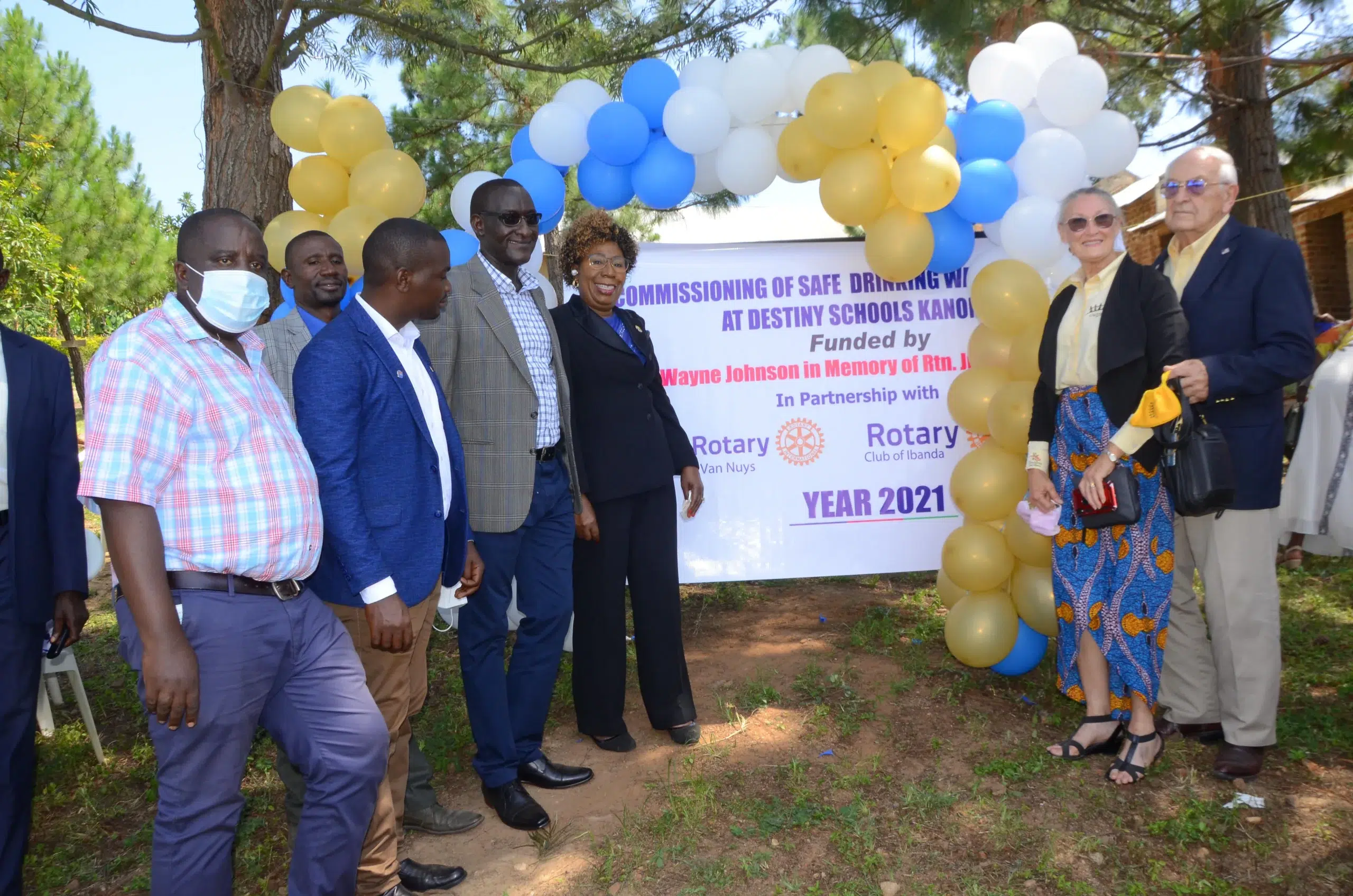
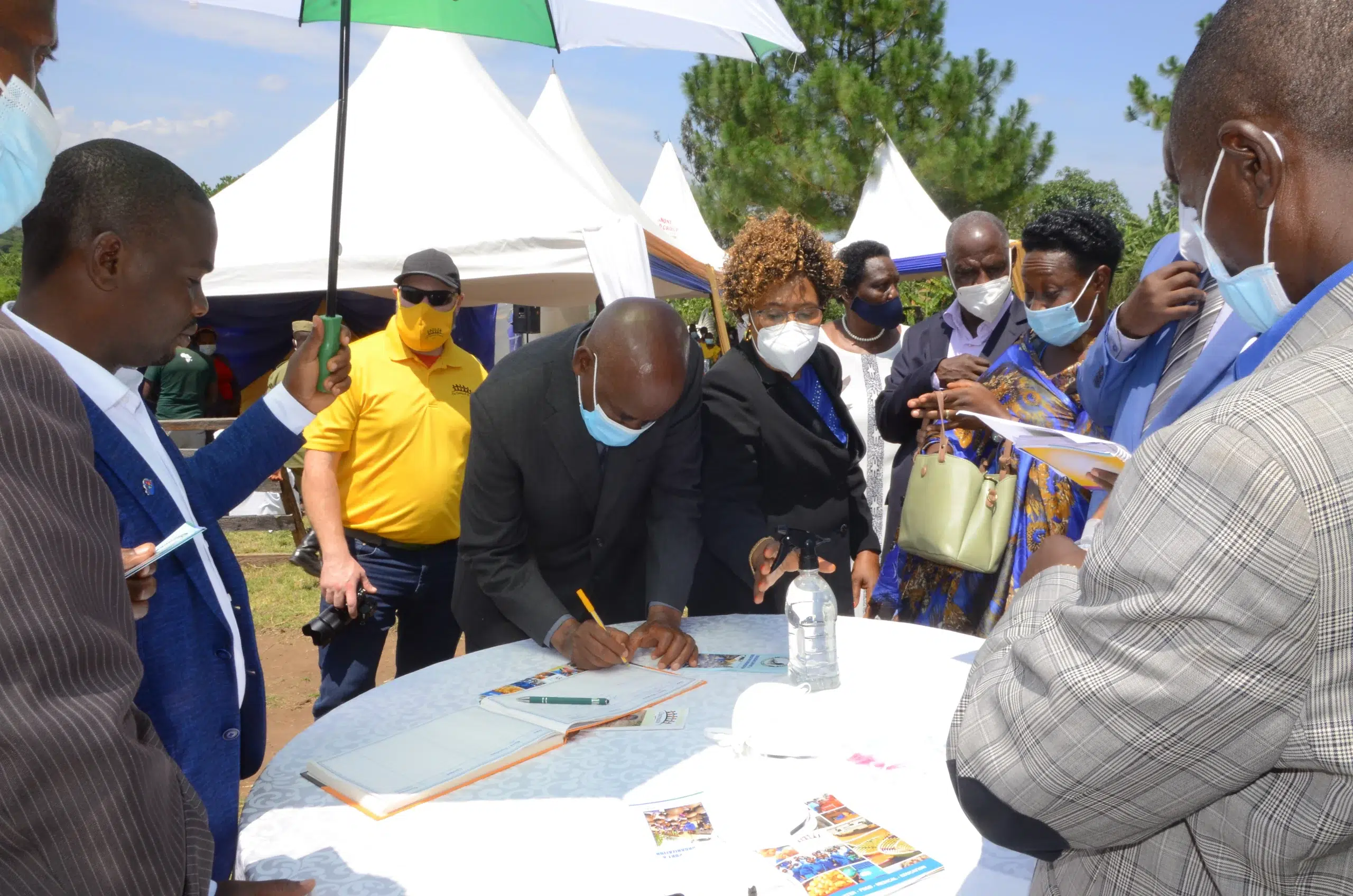
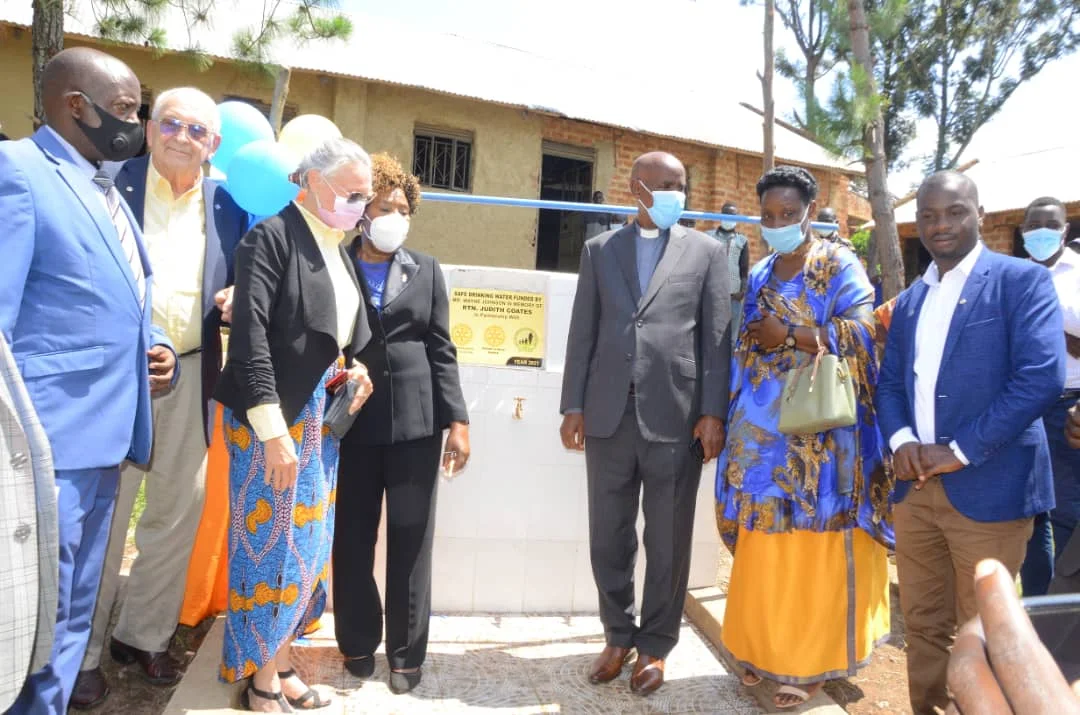
In 2021, the Rotary Club of Greater Van Nuys, USA, donated $8,500, our first grant as an organization, to help Childcare provide safe drinking water for children at Destiny Primary School.
Before the project, learners were fetching water from a nearby swamp approximately two miles away. This placed a heavy burden on children and exposed them to unsafe water sources.
The project represented an important step forward for the school and the surrounding community.
Six Years On: Challenges & Next Steps
The water well now requires refinement because of maintenance and technical issues that have affected its long-term reliability. We choose to report this openly because accountability means sharing both achievements and challenges. Childcare is now seeking technical and funding partners to assess and refine the water system at Destiny Primary School. Depending on the technical assessment, the solution may involve rehabilitation of the existing water point, improved pumping or storage, a redesigned borehole solution, or another reliable and maintainable water system. The next phase will include:
- An independent technical assessment of the existing water system
- A clear rehabilitation or redesign plan with an itemized budget
- Community and school management involvement from planning through handover
- A trained water-user or school maintenance committee
- A maintenance plan, including routine checks, reporting, and repair responsibilities
- Water-quality testing where applicable
- Donor reporting through photos, expenditure records, progress updates, and completion documentation
We do not regard a water facility as complete when construction ends. It is complete when children can reliably access safe water and the school has the capacity to maintain the system.
Our WaSH Approach
Childcare works through a school and community model. We do not only construct facilities; we work with school leaders, caregivers, learners, local authorities, and community members to understand needs, plan solutions, and encourage responsible maintenance. Our model links four essential areas:
Safe Water
Reliable access to water for drinking, cooking, cleaning, and handwashing.
Safe Sanitation
Usable, private, child-friendly toilets for girls and boys.
Hygiene Education
Practical handwashing, safe water handling, menstrual-health, and environmental hygiene learning.
Local Ownership
School management, health clubs, parent groups, and community maintenance planning.
This integrated approach helps ensure that facilities are used, protected, and maintained, not simply built and forgotten.
Where We Work, Partner Schools
Our work is currently rooted in rural communities and partner schools in and around Kanoni Town, Kazo District, including:
- Rwampara Primary School
- Destiny Secondary School, Kanoni
- Destiny Primary School, Kanoni, where Childcare implemented a safe-water project with support from the Rotary Club of Greater Van Nuys
Kanoni and Kazo District are where our work began, not where it ends. As resources and partnerships grow, Childcare intends to expand into other underserved and underprivileged rural communities and districts across Uganda, wherever the need is greatest.
Who Benefits
This program serves:
- Children learning in rural partner schools
- Girls who need safe, private sanitation and menstrual-health support
- Teachers and school staff who require water for daily school operations
- Caregivers and surrounding communities that depend on school-linked water points
- School management committees, parent groups, and local leaders involved in maintaining facilities
Accountability & Sustainability
Childcare is committed to learning from every project. Past experience has reinforced the need for technical oversight, realistic maintenance planning, school-community ownership, and regular monitoring. For WaSH projects, we seek to apply the following safeguards:
- Needs assessment before construction
- Qualified technical design and supervision
- Clear budgets, procurement records, and progress documentation
- School and community participation from the beginning
- Defined ownership and maintenance responsibilities
- Training for school management, staff, learners, and maintenance groups
- Follow-up visits after project completion
- Honest reporting to donors on achievements, challenges, and next steps
Water
Sanitation
The Opportunity
Safe water and sanitation are not extras. They are foundations for health, dignity, school attendance, and learning. By partnering with Childcare, donors can help rural schools become places where children can drink safely, wash their hands, use hygienic toilets, manage menstruation with dignity, and focus on learning. Help make safe water, sanitation, and dignity part of every child's school day.
Four Ways to Support This Program
Fund Safe Water for a School
[Content pending, short description goes here.]
Give Now →Build or Rehabilitate School Toilets
[Content pending, short description goes here.]
Give to This Cause →Partner With Us on WaSH
Foundations, corporations, and Rotary clubs can support a water project, a school, or a full initiative.
Start a Conversation →Request a WaSH Program Brief
[Content pending, short description goes here.]
Request Now →